
Why Saving Money Feels So Emotionally Impossible
You know you should save. You set the intention, maybe even set up the automatic transfer. Then, a few days later, you find yourself moving that money right back. Or you just can’t bring yourself to start at all. It’s not that you don’t understand the logic—it’s that every fiber of your being seems to resist it.
If this feels familiar, it’s time to stop blaming your willpower. The real battle isn’t in your bank account; it’s in your heart and mind. Let’s talk about what’s actually happening beneath the surface.
“We must not allow the clock and the calendar to blind us to the fact that each moment of life is a miracle and mystery.” – H.G. Wells
Your Brain Thinks Saving Means Losing
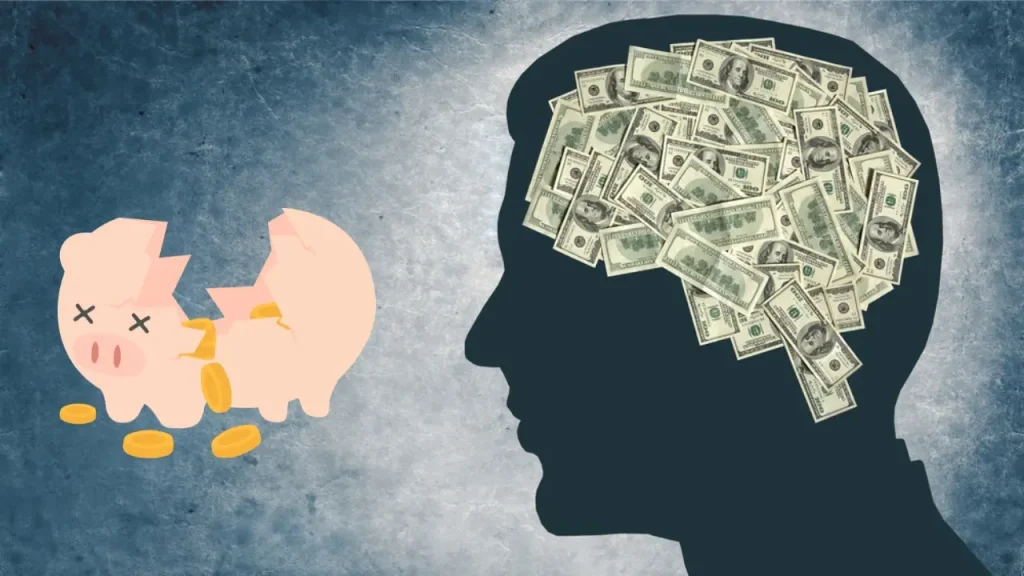
Logically, putting money aside is a gain. Emotionally, it often registers as a loss. You’re saying “no” to a coffee out, a new pair of shoes, or a weekend trip right now, for a version of yourself that exists in a hazy, distant future. That immediate sense of deprivation is visceral. The abstract future benefit just can’t compete with the concrete pleasure you’re denying yourself today.
Your Money Past is Haunting Your Present
How money was handled in your family leaves deep fingerprints. If you grew up where money was a constant source of tension, where it vanished as quickly as it appeared, or where there was never enough, your nervous system remembers. Saving can feel futile or even scary—like building a sandcastle before high tide. Why would you try to keep what history tells you always slips away?
You’re Using Spending to Self-Soothe
For many of us, spending isn’t just transactional. It’s emotional management. A bad day is fixed by online retail therapy. Loneliness is eased by a nice dinner out. Boredom is solved with a new gadget. When money becomes your primary comfort mechanism, the idea of saving feels like cutting off a source of relief. You’re not just budgeting; you’re disarming a coping strategy.
The “What If It’s Never Enough?” Fear
Sometimes, the anxiety isn’t about saving itself, but about the frightening reality it forces you to confront. What if you save for years and an emergency wipes it out? What if retirement is still out of reach? This fear of insufficiency can be so paralyzing that it feels easier not to look at the numbers at all. Avoidance becomes a strange kind of comfort.
The Weight of Guilt Makes You Look Away
Past financial missteps—the debt, the impulsive buys, the years not saving—can coat the whole topic in shame. Opening your bank app doesn’t feel neutral; it feels like facing a judge. It’s easier to avoid the statement altogether than to feel the wave of self-criticism. You procrastinate on saving because you’re procrastinating on feeling bad about yourself.
If shame has been keeping you from even looking at your finances, know that the way out begins with compassion, not criticism. I’ve written a guide on taking the first gentle, judgment-free steps with your money, which you can find here.
You Feel Torn Between Being Responsible and Being Alive
We get one life, and the pressure to enjoy it is immense. Social media constantly serves us a highlight reel of vacations, meals, and experiences. Saving can feel like choosing to sit on the sidelines. The internal conflict between the “responsible adult” and the “person who wants to live” is exhausting, and often, enjoyment wins because it feels more urgent.
Saving Makes You Face Futures You’d Rather Avoid
To save consistently is to regularly acknowledge your future self. That means thinking about getting older, potential emergencies, or needing care. For some, that’s a profoundly uncomfortable or even scary mental space. Not saving can be a way to stay psychologically in the present, where things feel simpler and less fraught.
What If We Framed Saving as the Ultimate Self-Care?
This is where the shift begins. What if saving isn’t a punishment, but a profound act of kindness? It’s not about restriction; it’s about building security so future you can breathe easier. It’s buying peace of mind. It’s creating options. It’s telling yourself, “I am worth protecting.” This isn’t about spreadsheets yet—it’s about changing the emotional story from one of lack to one of loyalty to yourself.
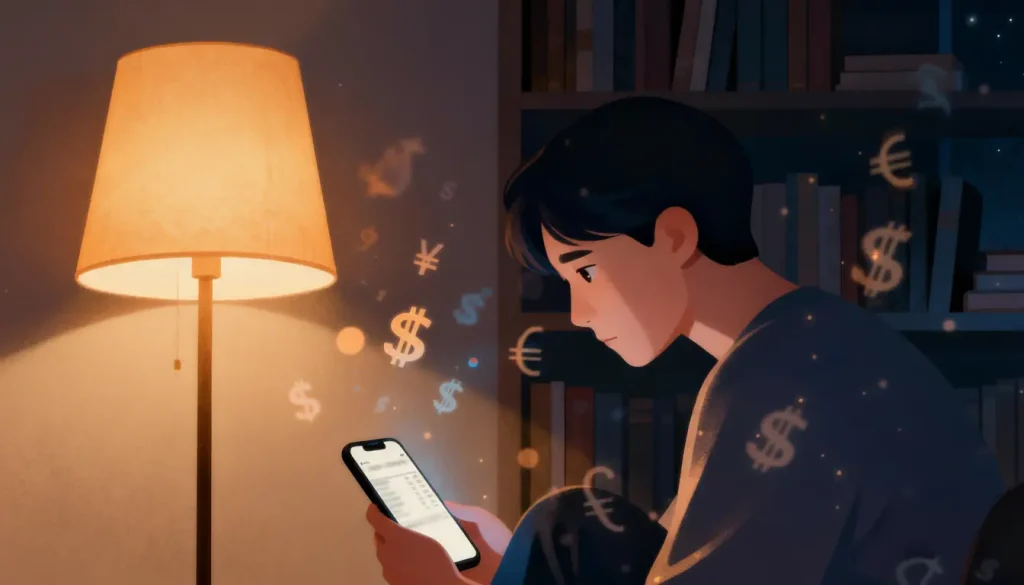
Struggling to save doesn’t mean you’re bad with money. It means you’re human, navigating a tool that’s tangled up with our deepest needs for security, comfort, and joy.
Shifting your mindset is the first victory. For a complete breakdown of the psychological traps that make saving difficult and how to move past them with actionable steps, read the full exploration in Why Is Saving Money So Hard?.
The next time you feel that familiar resistance, get curious, not critical. Ask yourself: What’s the real feeling here? Is it fear? Is it deprivation? Is it old history?
Understanding the “why” behind the stall is the first, and most important, step. It’s the step that turns a mechanical act of discipline into a meaningful change that actually lasts. You don’t need a stricter budget first. You need a little more compassion for the part of you that’s been scared to begin.