
Why Is Saving Money Feel So Hard
Let’s be honest: many of us promise ourselves we’ll save money—usually at the start of a new year or right after an unexpected bill—only to watch that resolve disappear by Friday. If your savings account looks weak even as your income grows, you’re not alone.
This struggle doesn’t come down to simple willpower. Something deeper than skipped lunches creates the gap between wanting to save and actually doing it. Our emotions, ingrained habits, subtle pressures of modern life, and persistent mental traps pull against us every day, often making saving feel not just difficult, but impossible.
Before we talk about solutions that last, we need to drop the guilt and move past surface-level budgeting advice. We need to understand the real, human reasons money keeps slipping through our fingers.
Money Carries Emotional Weight
Money rarely exists as a cold, objective fact. We attach stories to it—stories about security, freedom, comfort, and identity. Most of us carry emotional weight into every spending and saving decision, and we often follow those emotions instead of logic.
After a punishing workweek, that dinner out or online purchase becomes more than a transaction. It serves as a reward, a comfort, a way to reclaim joy after days of stress. This behavior isn’t frivolous—it’s human. We spend to soothe ourselves, celebrate small wins, or feel momentary relief.
Over time, emotional spending quietly becomes automatic. We prioritize it without noticing. Saving, which offers no immediate emotional reward, keeps sliding further down the list. It starts to feel like denying yourself something you earned.
Saving also feels restrictive for many people. In a culture that equates spending with living, choosing to save often feels like choosing less life. When money already feels tight, setting some aside registers as loss, not progress. That internal resistance carries real power and can make any savings plan feel like punishment before it even begins.
For a deeper look at how these feelings operate, I’ve written more about the emotional reasons saving feels hard, which explores how our psyche can be our biggest financial obstacle.
“This is what Morgan Housel was getting at when he observed that ‘Your personal experiences with money make up maybe 0.00000001% of what’s happened in the world, but maybe 80% of how you think the world works.’ Our spending isn’t just arithmetic; it’s often a story we’re telling ourselves based on those deep-seated experiences.”
– Morgan Housel, author of The Psychology of Money
The Myth That More Money Solves Everything
Many people tell themselves, “If I earned a little more, this would all get easier.” The belief feels logical—and tempting. Yet for countless people, raises and better jobs fail to produce stronger savings.
Lifestyle expansion creeps in quietly. As income rises, expectations shift. A nicer apartment feels justified. Extra subscriptions seem harmless. Daily lunches replace weekly treats. Upgraded groceries, cars, and hobbies follow. None of these choices feel extravagant on their own; they feel earned.
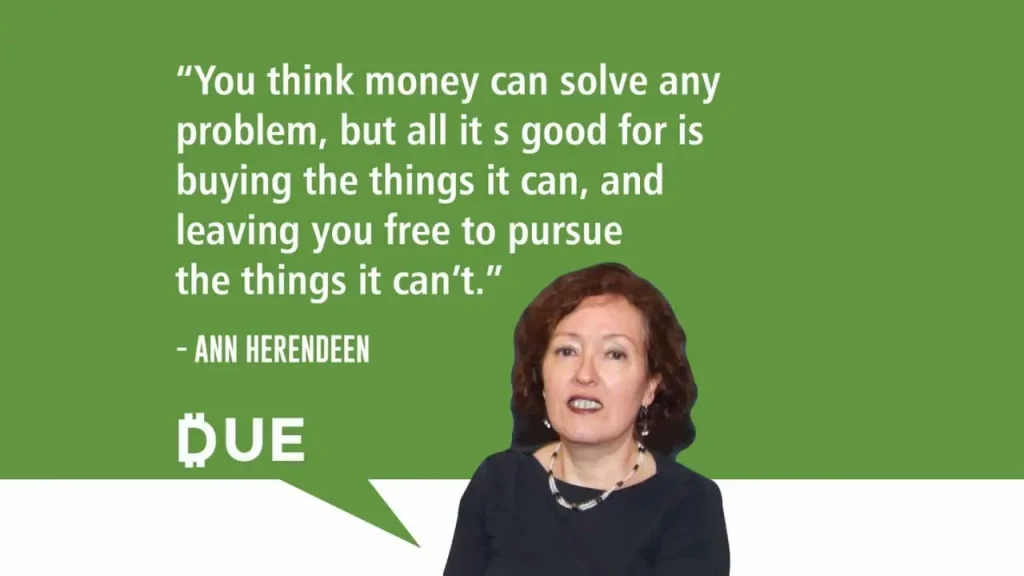
Together, however, they absorb the extra income and push savings aside again. This pattern—often called lifestyle creep—keeps moving the goalpost for “enough to save.”
A steady paycheck also creates a false sense of security. When income covers the bills, saving stops feeling urgent. Vacations and upgrades take priority because no crisis looms. That comfort vanishes quickly when a car breaks down or a medical bill arrives. I explore this paradox in more detail in a piece on why a higher income doesn’t automatically lead to more savings, which breaks down how our psychology adapts to our earnings.
Daily Habits Quietly Decide Your Savings
Grand annual budgets don’t determine whether you save. Daily routines do. These small, repeated behaviors run on autopilot, so we rarely recognize them as financial decisions.
Think about the habits that quietly drain money: the coffee run that doubles as a mental break, food delivery after exhausting days, forgotten subscriptions charging $9.99 each month, scrolling that ends in impulse purchases. Each expense feels insignificant in isolation.
Together, these micro-transactions pull money away from savings every single day—without triggering alarms.

Habits resist change far more than budgets. You can build a perfect budget in an hour, but retraining your spending autopilot takes sustained effort. Your brain seeks ease and immediate reward, and spending usually delivers both faster than saving.
Without intentionally redesigning these routines, even the smartest savings plan will collapse. This connection between automation and saving is so critical; I dedicated a whole article to how daily habits directly shape your ability to save, offering strategies to reshape those routines.
“This slow drift is why saving feels so futile. It’s the modern manifestation of a truth Charles Dickens penned long ago: ‘Annual income twenty pounds, annual expenditure nineteen nineteen and six, result happiness. Annual income twenty pounds, annual expenditure twenty pounds ought and six, result misery.’ The difference between financial stability and strain is often found not in grand gestures, but in the quiet tally of our daily choices.”
– Charles Dickens, David Copperfield
The Mental Blocks That Keep You Stuck
Sometimes your biggest obstacle isn’t your income or spending—it’s your mindset. Invisible scripts often sabotage savings even when you know what to do.
The most common is the “I’ll Start Next Month” trap. Saving rarely feels urgent. There’s always a more pressing use for the money right now: a friend’s birthday, a needed home repair, a desire to finally take a trip. Since financial disaster isn’t imminent, it’s easy to perpetually postpone the start date. This turns saving into a vague future intention, not a present action, keeping you in a cycle of good intentions that never materialize.

This turns saving into an intention instead of an action.
Another powerful barrier is fear of scarcity. Moving money into savings can trigger anxiety: “What if I need this later?” For people who’ve experienced financial insecurity, this fear can be paralyzing, especially if you’ve experienced financial insecurity before. Ironically, this very fear prevents the creation of the safety net that would alleviate it.
Understanding these psychological patterns is key to moving past them. I delve into several of these cognitive barriers in a post about the mental blocks that make saving feel impossible, which can help you identify and disarm your own.
Why Saving Feels Harder Than It Did Before
This struggle isn’t imaginary. Structural changes make saving objectively harder than it was for previous generations.
Rising costs for essentials have squeezed budgets from every direction. Housing, healthcare, education, and groceries consume far more income than they once did. Even disciplined earners often find little left at the end of the month.
Modern convenience also carries a price. One-click purchases, subscriptions, ride-sharing, and food delivery remove friction from spending.
Saving, in contrast, requires deliberate action and delayed gratification. The frictionless nature of spending versus the active effort of saving creates a powerful tilt in the system. For a broader look at these societal shifts, my article on Why saving feels difficult today examines these economic and cultural pressures in depth.
The Problem With “Perfect” Financial Advice
Much financial advice assumes stable jobs, predictable expenses, and calm decision-making. Real life rarely matches that picture.

One-size-fits-all advice breaks down under gig work, caregiving responsibilities, student debt, and chronic stress. Being told to “just invest 15%” or “cut all coffee” often feels detached and demoralizing.
When a plan feels unrealistic or punishing, people abandon it. The failure that follows often does more damage than having no plan at all.
A More Realistic Path Forward: Rethinking What Saving Means
If the traditional methods are breaking down, what works? The answer lies in shifting your perspective from rigid rules to flexible, human-centric systems.
First, prioritize small, consistent progress over grand gestures. Forget about saving hundreds of dollars a month right away. What about $20? Or $5? The amount is almost irrelevant at the start. The victory is in the action itself. Automating a tiny, painless transfer to savings every week does something profound: it builds a habit and, more importantly, it builds confidence. It proves to yourself that you can do it. This psychological shift—from “I can’t save” to “I am a saver”—is transformative.
Second, embrace flexibility over perfection. A budget that shatters the first time you have an unexpected vet bill is a bad budget. Instead, build in margins and grace periods. Allow yourself a “buffer” category for life’s surprises. If you miss a month, you don’t need to scrap the whole endeavor. Just restart. Sustainable saving is about the general direction, not perfect adherence to a spreadsheet. It’s a practice, not a performance.
Final Thoughts: Your Struggle Is Valid
If saving feels hard, that doesn’t mean you’re irresponsible, lazy, or broken. It means you’re human, navigating emotional triggers, ingrained habits, mental barriers, and real economic pressure.
Letting go of shame is the first step.
When you understand the emotional pull of money, lifestyle creep, daily habits, and psychological resistance, you stop fighting yourself. You can design a savings approach that fits your real life instead of an idealized one.
Saving is hard. That’s normal. The goal isn’t to make it effortless—it’s to make it possible.