
Small Daily Problems That Drain Your Energy
You wake up tired. This isn’t the “I stayed up too late” kind of tired; it’s a deeper, harder-to-explain exhaustion. The day hasn’t even started, yet you already feel drained. There’s no major crisis or dramatic issue to identify; just a persistent sense of fatigue that sticks with you everywhere.
The truth is, most exhaustion doesn’t come from major life events. It comes from small, everyday problems that quietly chip away at your energy. Individually, they seem harmless. Together, they’re exhausting.
Let’s talk about the ones you probably deal with every single day—the quiet energy thieves you might not even notice.
“Beware of little expenses. A small leak will sink a great ship.” — Benjamin Franklin
It’s a classic reminder that tiny, repeated losses—of money, time, or energy—can lead to a major breakdown.
1. When the Morning Starts in a Rush
The alarm goes off. You hit snooze. Then again. Suddenly, you’re rushing—throwing on clothes, checking your phone, skipping breakfast, mentally listing everything you’re already late for.

Nothing bad happened, but your nervous system starts the day in panic mode. Instead of easing into your morning, you begin it in survival mode. That rushed, frantic feeling doesn’t go away when you leave the house; it stays with you like a low hum of stress, following you into your commute, your work, and your interactions.
A calm morning isn’t about waking up at 5 a.m. or having a perfect zen routine. It’s about removing the pressure to start the day already behind.
2. Too Many Small Decisions Before Noon
What should I wear?
What should I eat?
Which email should I reply to first?
Do I start this task now or later?
Your brain handles hundreds of tiny decisions before lunchtime. Each one, no matter how trivial, pulls a little energy from your mental battery. By the time the real work begins, you already feel worn out—and you don’t know why.
This is called decision fatigue, and it’s one of the most overlooked energy drains in daily life. It’s not laziness. It’s mental overload disguised as productivity.
Taming decision fatigue requires specific systems. For a full toolkit on handling this and other daily stressors, explore our comprehensive guide on handling common daily problems.
3. Constant Notifications That Never Let You Breathe
A message pops up. A notification buzzes. Another email arrives. Even when you don’t respond right away, your focus breaks. Your brain switches context repeatedly, like a browser with too many tabs open.

You’re never fully engaged in anything. You’re just half-working and half-waiting for the next interruption. By the end of the day, you’re tired, but not sure what you really achieved.
Being constantly “reachable” comes at a cost: your peace of mind.
4. Clutter That Creates Silent Stress
A messy desk. Unread emails. Clothes piled on a chair. Dozens of browser tabs open everywhere.
You might believe you’ve learned to overlook the mess, but your brain hasn’t. Visual chaos leads to mental noise. It sends a subtle, constant message that something is incomplete and needs your attention—even when you’re trying to relax or concentrate on something else.

Clutter doesn’t scream. It whispers. And that whisper drains energy all day long.
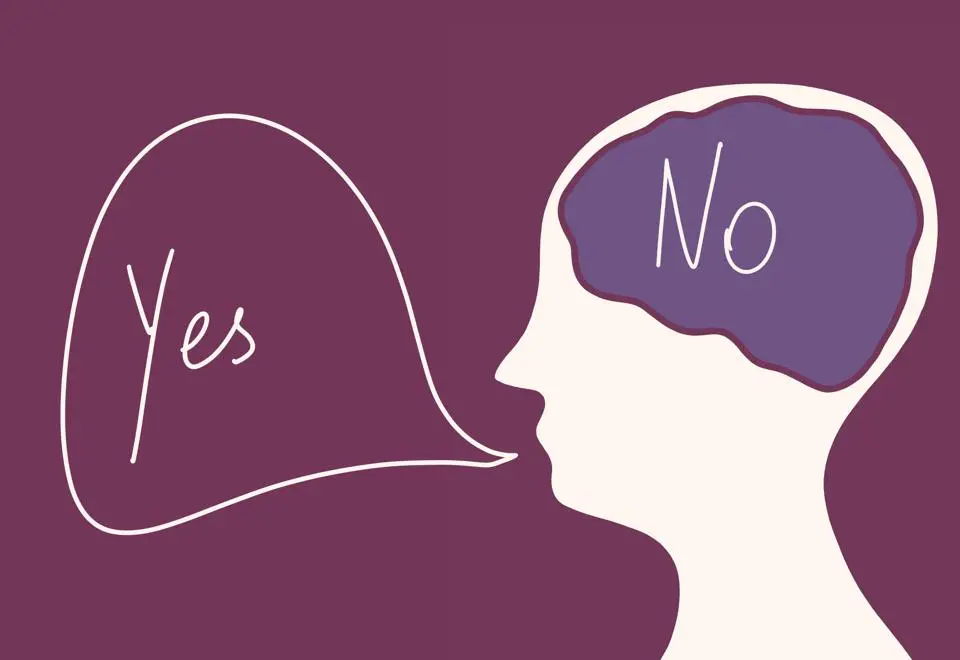
5. Saying Yes When You Really Want to Say No
“The price of anything is the amount of life you exchange for it.” — Henry David Thoreau
What life/energy am I exchanging for this clutter, this notification, this unwanted ‘yes’?” It connects deeply to the sections on decision fatigue and constant availability.
You agree to things you don’t have time for. You respond when you’re already overwhelmed. You say yes because it feels easier in the moment than explaining yourself or feeling guilty.
At first, it seems harmless. But over time, every unwanted “yes” leads to resentment, exhaustion, and emotional burnout. You’re not tired because you’re doing too much; you’re tired because you’re doing too much that you didn’t want to do.
6. Ignoring Small Physical Discomforts
You sit too long without moving. You forget to drink water. Your shoulders ache, your eyes strain, your body asks for a break—and you ignore it, pushing through to the next task.
These aren’t dramatic pains, so they’re easy to dismiss. But your body keeps track. Physical discomfort quietly drains energy, even when you’re mentally motivated. Sometimes, exhaustion isn’t emotional or mental—it’s simply physical neglect adding up.
7. Unfinished Tasks That Linger in Your Mind
That email you meant to send. The task you started but never finished. The list that keeps growing no matter how much you do.

Unfinished tasks don’t just sit on paper; they occupy space in your mind. Even when you’re trying to relax, your brain keeps reminding you of what still needs to be done. This leads to a constant, nagging sense of pressure, making it hard to truly rest.
Completion isn’t just about productivity. It’s about mental relief.
8. Comparing Your Life to Everyone Else’s
You scroll through social media and suddenly feel behind. Everyone seems more successful, happier, more productive, more put together.

You know it’s picked out carefully. You know it’s not the complete story. Still, the comparison strikes you. Along with it, you feel self-doubt, frustration, and emotional exhaustion. Comparison doesn’t motivate; it drains. It shifts your focus to others, making you feel lacking in your own life.
9. The Background Worry That Never Switches Off
Money thoughts. Future plans. “What if” scenarios. Small concerns that never fully leave your mind, playing like a radio in another room.
Even when nothing is wrong, your brain stays slightly alert, scanning for problems. This low-level, chronic anxiety is exhausting precisely because it never stops. You’re resting physically, but mentally, you’re always on guard.
Why These Small Problems Are So Exhausting
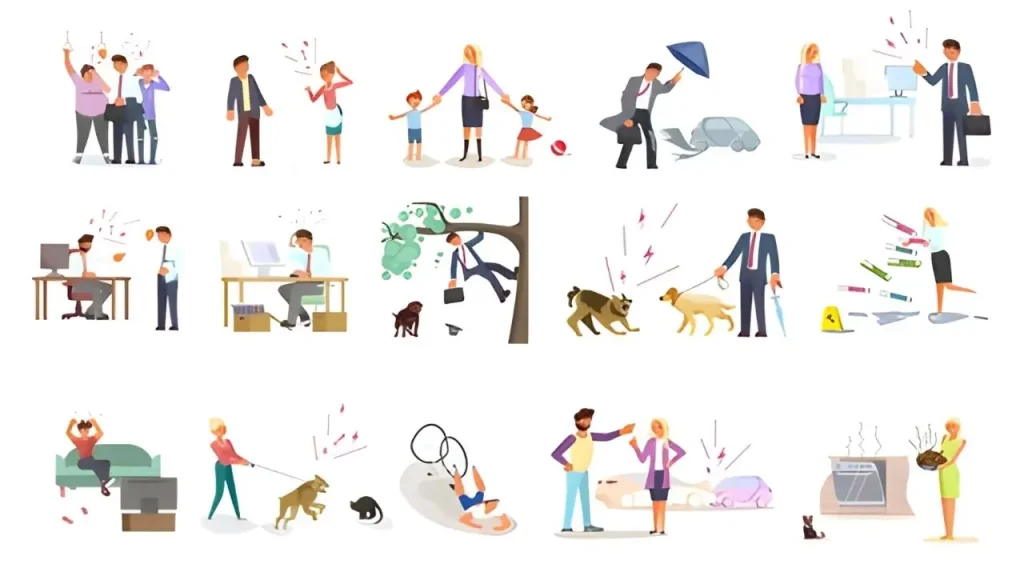
Each of these issues seems manageable on its own. But together, they create constant mental, emotional, and physical strain. It’s not one big thing burning you out—it’s a thousand tiny leaks draining your energy every day.
That’s why sleeping more doesn’t always fix the exhaustion. The real issue isn’t always a lack of rest—it’s ongoing energy loss you haven’t identified.
How to Get Your Energy Back (Without Changing Your Entire Life)
You don’t need a total life overhaul. You need fewer drains.
- Reduce decisions where you can. Wear similar clothes, plan meals ahead, automate the small stuff.
- Silence unnecessary notifications. Schedule focus time where you are truly unreachable.
- Tidy one small space. A clean desk or an empty kitchen counter can quiet mental noise.
- Finish one lingering task. The relief is immediate.
- Say no once without over-explaining yourself.
- Listen when your body asks for a pause. Stand up. Drink water. Breathe.
Energy doesn’t come from doing more. It comes from removing what’s quietly exhausting you.
Final Thoughts
If you feel tired all the time, you’re not broken. You’re not lazy. You’re likely just carrying too many small burdens without realizing it.
Start paying attention to the little things. Fix the leaks. Protect your energy—it’s the most valuable resource you have.