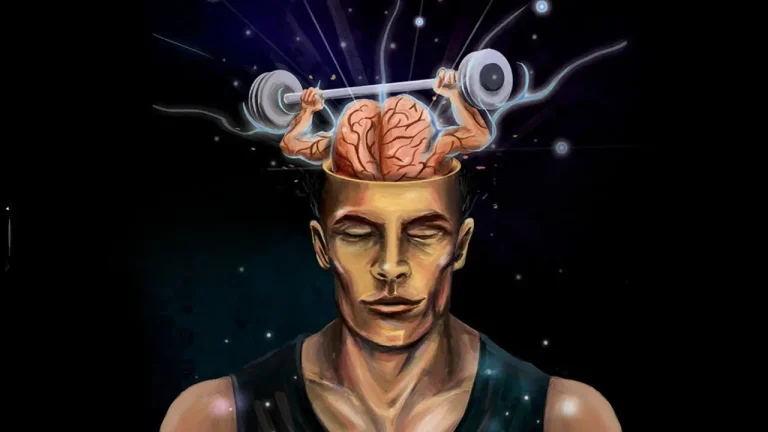
The True Meaning of a Strong Mindset
We hear the phrase “strong mindset” seems to be everywhere these days; from social media captions, to gym walls, to productivity videos, and even motivational speeches. At some point (although probably not too far along), it has begun to suggest that strength means being completely unemotional, undoubting, and not slowing down.
But real life doesn’t work like that.
A strong mindset isn’t loud. It doesn’t announce itself. Most of the time, it shows up quietly — in moments when no one is watching and nothing feels easy.
Strong Doesn’t Mean Unbreakable
Some of the strongest people you’ll ever meet are the ones who have been tired, scared, overwhelmed, and still chose to keep going.
Mental strength is not about being unaffected by pain; rather, mental strength is about being honest with yourself about when things are hurting and choosing not to run away from them.
A person with a strong mindset can experience anxiety, disappointment, and self-doubt, but they will not allow those experiences to dictate their actions.
There’s power in admitting, “This is hard,” without adding, “So I must be weak.”
Taking Responsibility Without Turning Against Yourself
A strong mindset takes responsibility, but it doesn’t use responsibility as a weapon.

There’s a difference between owning your choices and constantly blaming yourself for everything that goes wrong. Strong-minded people ask better questions:
What can I learn from this? What can I do differently next time?
They don’t waste energy stuck in guilt. Instead, they focus on growth. This way of thinking is often the first step when people begin learning ways to develop a stronger mindset that actually lasts — one rooted in accountability, not self-punishment.
Discipline Beats Motivation Every Time
Motivation is exciting, but it’s unreliable. It disappears the moment things get boring, uncomfortable, or slow.
A strong mindset is built upon discipline – the commitment to show up consistently even in the absence of motivation to do so. This does not mean pushing yourself to the point of exhaustion. The key here is to understand that progress happens through sustained efforts over time and not through outbursts of motivation.
Most real change comes from simple mindset changes with big impact, like choosing effort over excuses or patience over instant results. These shifts don’t look impressive on the outside, but they change everything over time.
Knowing When to Rest Is Part of Strength

There’s a misconception that strong-minded people are always pushing harder. In reality, they know when to stop.
Rest isn’t quitting. It’s maintenance.
Listening to your limits, stepping back when needed, and protecting your mental energy are all signs of strength. Burnout doesn’t build resilience — awareness does. A strong mindset respects recovery just as much as effort.
Control What You Can, Release the Rest
You have power over your mind — not outside events. Realize this, and you will find strength.”
— Marcus Aurelius
One of the biggest mental upgrades you can make is learning where your control ends.
You can’t control outcomes, timing, or other people’s behavior. What you can control is how you respond, how you prepare, and how you treat yourself along the way.
Strong-minded people don’t waste energy fighting reality. They focus on what’s within reach and let go of the rest — not because they don’t care, but because they value their peace and clarity.
Growth Lives Outside Comfort, Not in Chaos
Discomfort is unavoidable if you want to grow. But there’s a difference between choosing challenge and living in constant chaos.
A strong mindset chooses intentional discomfort — learning a new skill, facing a hard conversation, staying consistent when it’s uncomfortable. Over time, these experiences build confidence and trust in yourself.
This kind of strength is often shaped through developing mental discipline through daily habits, not dramatic life changes. Simple routines, repeated daily, quietly rewire how you think and respond.
A Strong Mindset Is Built, Not Born
No one is born mentally strong. It’s a skill developed through experience, mistakes, reflection, and repetition.
Every time you choose patience over panic, responsibility over excuses, and consistency over comfort, you’re strengthening your mindset — even if it doesn’t feel like it in the moment.
Do not pray for an easy life, pray for the strength to endure a difficult one.”
— Bruce Lee
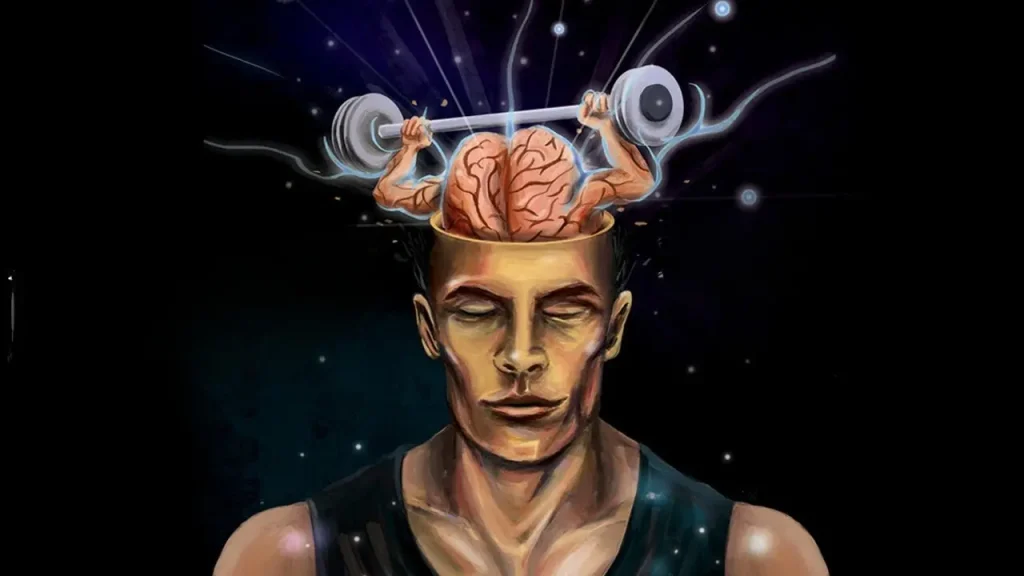
Strength Is Quieter Than We Think
A strong mindset does not have to prove itself.
A strong mindset looks like getting back up after you have had an off day.
A strong mindset sounds like speaking kindly to yourself when you underperform.
A strong mindset feels like trusting the process even if the progress is slow.
A truly mentally strong person does not have to be shaken. They must learn how to get up again in a calm, deliberate and respectful way.
No. A strong mindset is developed over time through experience, reflection, and daily choices. Anyone can build it by practicing consistency, self-awareness, and healthier thinking patterns.
Emotional toughness often gets confused with suppressing feelings. Mental strength, on the other hand, allows emotions to exist without letting them control your actions. It’s about balance, not denial.
Absolutely. Small, repeated actions shape how your mind responds to stress and setbacks. Simple habits like journaling, setting boundaries, or showing up consistently train your mind more effectively than occasional big efforts.
There’s no fixed timeline. Mindset growth is gradual and ongoing. Progress often shows up in how you react to situations rather than in dramatic changes you can measure quickly.
The biggest mistake is believing that a strong mindset means never struggling. In reality, mental strength grows through challenges, mistakes, and learning how to recover — not through perfection.
Focus on what you can control, allow yourself to feel without judgment, and return to your core habits. Setbacks don’t erase progress — they’re part of it.