
How to Handle Setbacks Mentally
Setbacks rarely arrive with warning. One moment you’re moving forward, confident in your direction, and the next you’re questioning everything—your choices, your abilities, even yourself. It could be a failed project, a missed opportunity, a personal loss, or something quieter but just as heavy. What makes setbacks difficult isn’t only what happened, but how the mind reacts afterward.
Handling setbacks mentally doesn’t mean staying positive all the time or brushing pain aside. It means learning how to sit with discomfort without letting it define you, and finding a way forward without rushing or breaking yourself in the process.
Start by Letting the Moment Be What It Is
The first mistake many people make after a setback is trying to “move on” too quickly. We tell ourselves to stay strong, think positive, or stop overthinking. But the mind doesn’t work that way. Suppressed emotions don’t disappear—they resurface later as anxiety, frustration, or self-doubt.
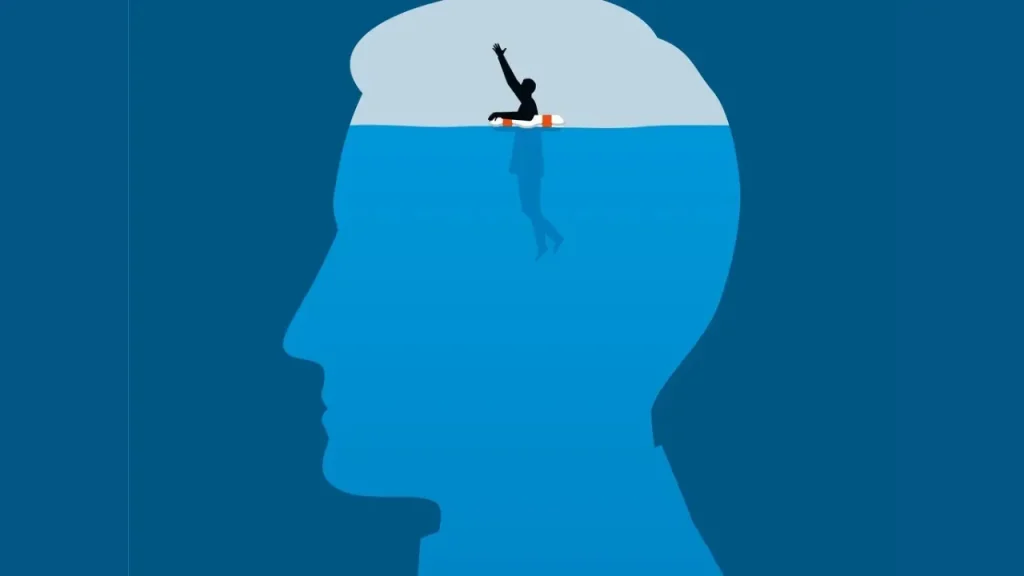
Allow yourself to feel what you feel. Disappointment, anger, sadness, embarrassment—none of these emotions are signs of weakness. They are signals that something mattered to you. Acknowledging them creates mental space. Ignoring them creates mental tension.
This emotional honesty is often the foundation of how to cultivate a resilient mindset, because strength begins with awareness, not denial.
The middle is messy, but it’s also where the magic happens.
Brené Brown
Understand What a Setback Really Is
A setback is an event. It is not a verdict on your intelligence, worth, or future. Yet the mind has a habit of turning moments into identities. One failure becomes “I always fail.” One rejection becomes “I’m not good enough.”
This is where perspective matters.
A setback usually reveals a mismatch—between expectations and reality, effort and outcome, timing and readiness. It doesn’t erase your progress. It simply highlights something that didn’t align this time.
Separating who you are from what happened reduces the emotional weight you’re carrying and allows you to think more clearly about what comes next.
Catch the Thought Patterns That Make Setbacks Heavier

After a setback, the mind often enters a loop. Thoughts repeat. Scenarios replay. Conclusions grow harsher. Many of these thoughts sound convincing, but they quietly weaken resilience.
These mental habits that slowly weaken your mindset often show up as:
- “I should have known better.”
- “This always happens to me.”
- “I’m falling behind everyone else.”
- “What’s the point of trying again?”
The problem isn’t that these thoughts appear—it’s that we accept them without question. When you pause and notice them, you create distance. And distance gives you choice.
Ask yourself: Is this thought helping me understand the situation, or is it punishing me for it?
Break the Setback Into What You Can Actually Handle
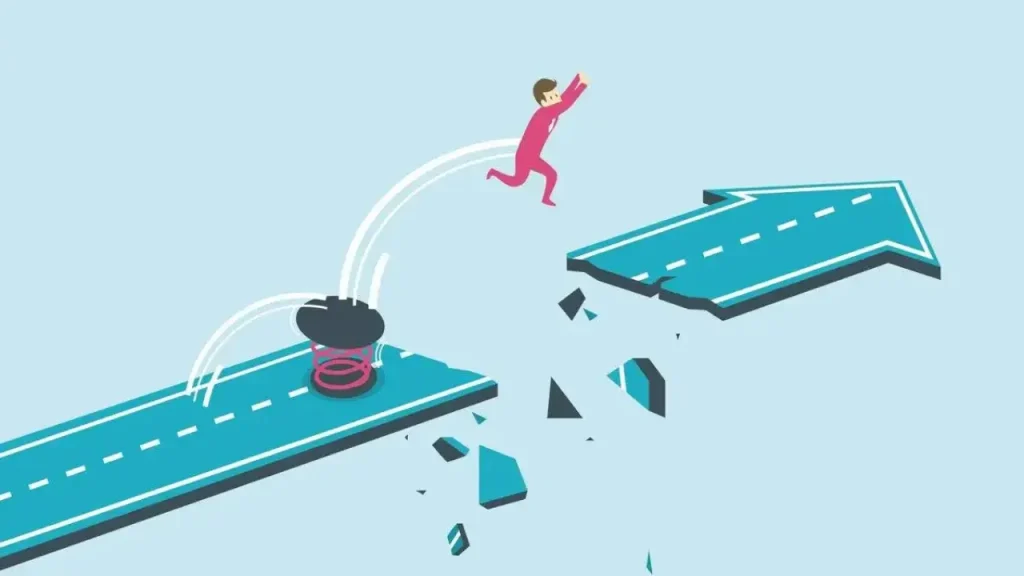
One reason setbacks feel overwhelming is because the mind treats them as one massive problem. But most challenges are made up of smaller, manageable parts.
Instead of asking, “How do I fix everything?” try asking:
- What exactly didn’t work?
- What part of this is within my control?
- What is one small step I can take today?
Progress doesn’t require clarity about the entire future. It requires clarity about the next step. Small actions rebuild confidence faster than big plans that never start.
Build Emotional Flexibility, Not Emotional Armor
Many people think mental strength means being unbothered. In reality, mentally strong people feel deeply—they just don’t stay stuck.
Emotional flexibility is the ability to experience discomfort without letting it dictate your identity or behavior. It’s a skill developed over time, often through daily routines shape mental strength like reflection, journaling, breathing, or simply pausing before reacting.
These habits don’t remove setbacks from your life. They change how quickly you recover from them.
Turn the Setback Into Information, Not Judgment
Once emotions settle, clarity begins to emerge. This is where growth quietly happens.
Instead of asking, “Why did this happen to me?” try:
- What did this reveal about my approach?
- What assumptions didn’t hold up?
- What would I do differently next time?
This isn’t about blaming yourself—it’s about learning. When setbacks become feedback, they stop feeling like dead ends and start feeling like redirections.
The greatest glory in living lies not in never falling, but in rising every time we fall.
Nelson Mandela
Redefine What Progress Looks Like After a Setback
Setbacks distort how we measure progress. We expect momentum, confidence, and certainty. When those disappear, we assume we’re moving backward.
But progress after a setback often looks different:
- Showing up when motivation is low
- Thinking more clearly than last week
- Responding with less self-criticism
- Trying again without rushing
These quiet shifts matter. They signal internal resilience rebuilding—even if external results haven’t caught up yet.
Watch the Voice You Use When Things Go Wrong
Your inner voice becomes louder after a setback. For many people, it turns harsh and unforgiving.
If you wouldn’t speak to a close friend the way you speak to yourself, something needs adjusting. Mental recovery accelerates when self-talk becomes supportive rather than critical.
This doesn’t mean excusing mistakes. It means addressing them with honesty and respect instead of shame.
Reconnect With What Actually Matters to You
Setbacks can disconnect you from purpose. You start focusing only on what went wrong instead of why you started.

Take time to reconnect with your values:
- Why was this goal important?
- What kind of person do you want to be during hard moments?
- What still matters, regardless of this outcome?
Purpose doesn’t eliminate pain, but it gives pain direction. And direction helps you move forward without losing yourself.
Don’t Carry It Alone
Isolation magnifies setbacks. Talking through what happened—without needing solutions—often brings relief and perspective.

A trusted friend, mentor, or professional can help you see angles you can’t see on your own. Support doesn’t mean dependence. It means recognizing that growth doesn’t have to be lonely.
Take Care of the Body While the Mind Recovers
Mental resilience isn’t built only through thinking. It’s supported by sleep, movement, nutrition, and rest.
When the body is exhausted, the mind interprets everything as heavier than it actually is. Gentle physical care stabilizes emotions and improves clarity during recovery.
You don’t need drastic changes—just consistent basics.
Acceptance Without Giving Up
Acceptance doesn’t mean liking what happened. It means stopping the mental fight against reality.
When you accept that something didn’t go as planned, energy shifts from resistance to response. You stop asking “why me?” and start asking “what now?”
That shift is subtle—but powerful.
Move Forward at a Human Pace
There’s no deadline for emotional recovery. Rushing yourself to “be okay” often delays healing.
Give yourself permission to move forward slowly, thoughtfully, and honestly. Growth doesn’t require pressure. It requires presence.
Setbacks Are Part of Becoming
Setbacks don’t erase progress—they test perspective. They reveal where the mind needs strengthening, where habits need adjusting, and where compassion is missing.
When you learn how to handle setbacks mentally, you don’t just recover—you evolve. You think more clearly, respond more wisely, and build resilience that lasts beyond one difficult moment.
Setbacks shape you.
But they don’t get to define you.
FAQ: Handling Setbacks and Staying Mentally Strong
Separate the event from your self-worth. Look for one practical lesson, then take a small step forward. Action rebuilds momentum.
Talk or write about your feelings, then shift your energy. Exercise, a hobby, or helping someone else can create positive distraction.
Practice reframing setbacks as lessons. Focus on what you can control—your effort and attitude. Celebrate small comebacks.
There’s no set timeline. Recovery isn’t linear. Focus on daily function and small signs of progress, not a fixed deadline.
If feelings of overwhelm or hopelessness persist for weeks and disrupt your daily life, talking to a therapist is a strong and proactive choice.
Pause and breathe. Give yourself a brief, set amount of time to feel the disappointment without judgment—then shift to a simple, next-step task.
Talk to yourself like you would a good friend. Replace critical thoughts like “I failed” with factual ones like “This attempt didn’t work.”
Often, it’s not about bouncing back faster, but about their practiced habit of focusing on solutions and viewing setbacks as temporary, not permanent.
Yes. While painful, they provide crucial feedback, build problem-solving skills, and often strengthen your long-term adaptability and empathy.
Connect your effort to a personal value, not just an outcome. Remind yourself why you started, and recommit to the process itself, not just the goal.