Daily Thoughts That Quietly Weaken Your Mindset (and What to Do About Them)
Most people think mindset breaks during big moments—failure, rejection, loss.
That’s rarely true.
Mindset usually weakens on a random Tuesday morning. When you wake up tired. When something small goes wrong. When a familiar thought slips in and goes unchallenged because it feels normal.
Those quiet, everyday thoughts shape how strong—or fragile—your mindset becomes over time.
The Thoughts That Run on Autopilot Shape Everything
Your brain repeats what feels familiar, not what’s helpful. Over time, certain thoughts become default responses. You don’t argue with them. You don’t question them. You just accept them as truth.
That’s how mindset erosion happens.
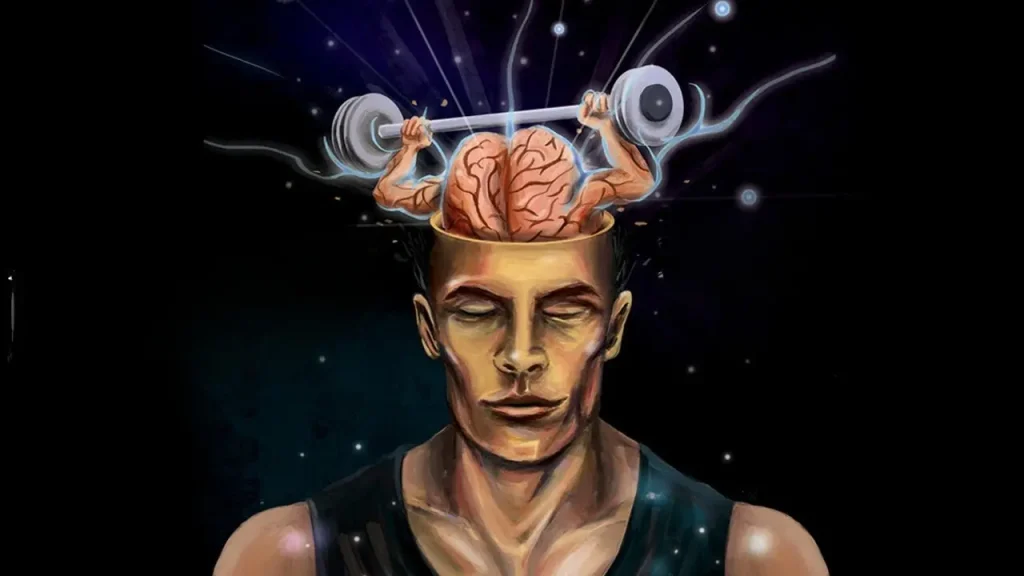
A strong mindset isn’t built by one motivational moment. It’s built by noticing which thoughts you allow to repeat daily—and which ones you interrupt.
What a Strong Mindset Really Looks Like in Real Life
“The happiness of your life depends upon the quality of your thoughts.”
— Marcus Aurelius
A strong mindset doesn’t mean you stay positive all the time. It means you stay steady.
People with strong mindsets still doubt themselves. They still get frustrated. They still have off days. The difference is they don’t let those moments turn into permanent stories about who they are.
They know the difference between:
- A bad moment and a bad identity
- A mistake and a personal flaw
- A setback and a dead end
That clarity doesn’t come from confidence alone. It comes from awareness.
And awareness starts with noticing the daily thoughts that quietly weaken your mental foundation.
“This Is Just How I Am” — The Thought That Freezes Growth
This thought sounds harmless. Honest, even.
But every time you say it, you close a door.
“I’m just not disciplined.”
“I’m not good under pressure.”
“I’ve always been bad at this.”
The brain hears repetition, not accuracy. Over time, these statements stop describing behavior and start defining identity.
Once something becomes identity, effort feels pointless. Why try if this is “just how you are”?
Strong mindset builders replace identity statements with process statements. Not overnight—but deliberately.
Predicting Failure Before Anything Happens
Another mindset killer hides in plain sight: assuming the worst as a form of self-protection.

“If I don’t expect much, I won’t be disappointed.”
“If this fails, at least I saw it coming.”
The problem is that your nervous system doesn’t know the difference between imagined failure and real failure. The stress response is the same.
Over time, this habit drains motivation, confidence, and energy before you even begin.
People with resilient mindsets don’t ignore risks. They simply stop rehearsing disaster as a daily mental exercise.
Comparing Your Private Struggle to Someone Else’s Public Progress
Comparison doesn’t feel optional anymore. It’s everywhere.
But the damage doesn’t come from seeing other people succeed. It comes from comparing your internal doubts to someone else’s edited outcomes.
You see results. You don’t see hesitation, fear, or the attempts that didn’t work.
Repeated often enough, this comparison creates a quiet belief: Everyone else is moving forward except me.
That belief weakens mindset faster than failure ever could.
Expecting Motivation Before Taking Action
This one sounds logical. It feels reasonable.
“I’ll start when I feel ready.”
“I just need motivation.”
But motivation doesn’t lead action. Action creates motivation.
Waiting to feel ready trains the brain to associate movement with emotional permission. Over time, that habit builds hesitation into your identity.
Strong mindsets are built through small, imperfect actions taken without emotional certainty. That’s one of the most overlooked small mental adjustments that lead to growth in daily life.
Turning Mistakes Into Proof You’re Not Good Enough
Mistakes are inevitable. What matters is the meaning you attach to them.
Some people extract information from mistakes. Others extract identity.
“I did this wrong” becomes “I always mess things up.”
“This didn’t work” becomes “I’m not built for this.”
That internal shift—from event to identity—is where mindset damage happens.
Mentally strong people allow mistakes to stay specific. They don’t let one moment rewrite the entire story of who they are.
Treating Exhaustion Like a Character Flaw
There’s a subtle thought many people carry: If I rest, I’m falling behind.
So they push. They override signals. They ignore mental fatigue. Eventually, they burn out—and then judge themselves for it.
A strong mindset includes recovery. Not because it feels good, but because it preserves clarity.
Burnout doesn’t make you tough. It makes your thinking sloppy, emotional, and reactive.
When Temporary Feelings Become Permanent Beliefs
Bad days happen. Low moods happen. Off weeks happen.
The danger is when a temporary feeling turns into a permanent conclusion.
“I feel unmotivated” becomes “I lack discipline.”
“I feel behind” becomes “I’ve failed.”
Strong mental habits involve separating emotions from identity. Feelings are information—not verdicts.
Small Shifts That Strengthen the Mind Without Forcing Positivity
“You have power over your mind—not outside events. Realize this, and you will find strength.”
— Marcus Aurelius
You don’t need affirmations shouted in the mirror. You need quieter, more honest shifts.
Instead of:
- “I can’t do this” → “I’m figuring this out”
- “This always happens” → “This happened once”
- “I’m stuck” → “This phase is uncomfortable”
These aren’t lies. They’re accurate reframes.
Over time, these small changes compound into resilience. They form the backbone of how to build a stronger mindset without pretending life is easy.
How Strong Minds Handle Setbacks Differently
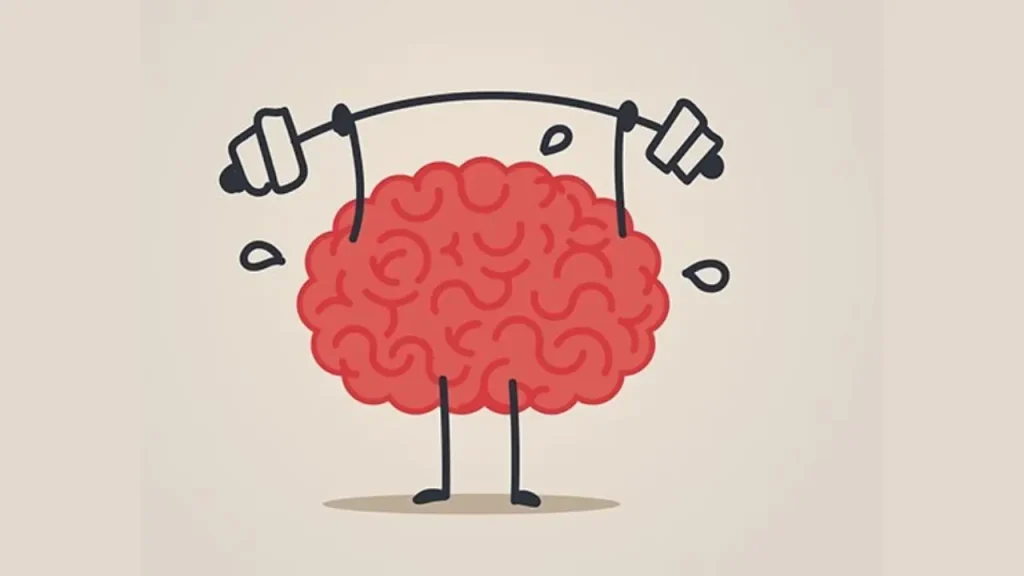
Setbacks are unavoidable. Mental collapse isn’t.
When something goes wrong, weaker mental habits ask:
“What does this say about me?”
Stronger habits ask:
“What can I adjust next time?”
That shift changes everything. It keeps setbacks contained instead of contagious.
Learning how to respond to challenges mentally isn’t about staying calm. It’s about staying curious instead of critical.
The Real Work Happens in Ordinary Moments
Mindset isn’t tested only in crisis. It’s shaped in ordinary, repetitive moments—how you talk to yourself when no one is listening.
The thoughts you repeat today become the beliefs you operate from tomorrow.
You don’t need to control every thought. You just need to stop letting the same damaging ones run unchecked.