
How to Build a Stronger Mindset
No one wakes up and discovers they suddenly have a strong mindset. It’s not a personality trait you’re born with. It’s a skill you develop — intentionally, repeatedly, and with self-compassion.
The mind is not a vessel to be filled, but a fire to be kindled.
— Plutarch
Mindset quietly shapes every part of your life: how you interpret challenges, how you respond to disappointment, how you show up for your goals, and how you talk to yourself when no one’s listening.
This guide isn’t about vague “think positive” advice. It’s a research-informed, roadmap to building a mindset that supports growth, resilience, and well-being — even when life doesn’t go as planned.
What a Strong Mindset Really Means
A strong mindset isn’t optimism without realism. It’s not pretending nothing bothers you. Instead, it’s about how you process your internal world — thoughts, emotions, self-belief — and how that processing shows up in your behavior.
Carol Dweck, psychologist, thought up the concept of a “growth mindset,” which is to believe that ability and intelligence will improve through hard work and education. People with a growth mindset will view hurdles as chances to grow instead of avoiding problems.
Studies show that having a growth mindset leads to more significant persistence, lower levels of stress, and improved capabilities to solve problems.

But a strong mindset goes beyond growth beliefs. It includes:
- Emotional regulation — the ability to experience feelings without being overwhelmed by them.
- Adaptive thinking — adjusting how you interpret challenges, rather than repeatedly responding with the same patterns.
- Self-compassion — treating yourself with kindness instead of harsh self-judgment.
- Cognitive flexibility — choosing how to think rather than reacting automatically.
In other words, a strong mindset is less about being unshakeable and more about being responsive — anchored in truth but flexible in interpretation.
Daily Thoughts That Weaken Mindset
Most people underestimate the power of daily internal dialogue — the quiet commentary that runs in the background of awareness.
These thoughts seem harmless:
- “I should’ve done better.”
- “I don’t feel ready.”
- “Why does this always happen to me?”
Alone, each thought seems trivial. But over weeks and months, they form a habitual internal narrative that shapes mood, motivation, and decision-making.
How Internal Dialogue Shapes Your Brain
The same brain ability that helps create positive habits also creates negative habits. Your brain will naturally adopt the negative interpretations you’ve continually told yourself about your limitations or failures.
That’s why some individuals begin their day feeling fatigued, even though their lived experience isn’t necessarily that difficult; it’s because their view of themselves has been conditioned for months.

That same plasticity that strengthens positive patterns also reinforces negative ones. If you repeatedly remind yourself of limitations or failures, your brain begins to default to those interpretations.
That’s why some people start the day already drained — not because life is extraordinarily hard, but because internal patterns have been signing the tune for months.
This is why understanding common daily thoughts that drain your mindset isn’t philosophical — it’s neurological.
Common Thinking Habits That Undermine Mental Strength
A few thought patterns repeatedly appear in research on stress, motivation, and emotional health:
Catastrophizing
This is when you jump to the worst-case scenario without evidence. It escalates anxiety and reduces clarity.
Overgeneralization
One negative event becomes proof of a global truth (e.g., “I failed at this; I fail at everything.”).
Personalization
Taking external events as personal failures, even when they aren’t. This fuels unnecessary self-criticism.
“Should” Statements
Rigid beliefs about how things must be lead to frustration when reality doesn’t match expectations.
These are not flaws — they’re common human patterns. The difference lies not in having them, but in letting them dictate your responses.
Small Mindset Shifts That Make a Big Difference
Change doesn’t require massive overhaul. In fact, research on behavior change shows that small, consistent adjustments lead to more sustainable results than dramatic interventions.
Here are evidence-based mindset shifts that create measurable change:
From Judgment to Curiosity
Instead of saying, “This is bad,” try: “What’s really happening here?”
Curiosity invites learning. Judgment invites defensiveness. Neuroscience shows that curiosity engages the brain’s reward circuits, making new information more memorable and reducing fear responses.³
The shift doesn’t require denial of difficulty — it simply changes the question you’re asking.
From Fixed Outcome Thinking to Process Focus
People with fixed outcome thinking tie self-worth to results (“I must succeed”). But research shows that focusing on process (“What did I learn?”) increases resilience and reduces performance anxiety.
This doesn’t mean you stop aiming for goals. It means you stop equating your value with one result.
Normalizing Discomfort
A strong mindset doesn’t eliminate discomfort — it reframes it. Discomfort becomes an expected part of growth rather than a sign of failure.
Pain from effort — whether physical, emotional, or cognitive — isn’t evidence of inability. It’s evidence of engagement.
These shifts, though subtle, accumulate into a dramatically different internal world over time. That’s why small mental adjustments that lead to growth are more powerful than occasional bursts of motivation.
How to Handle Setbacks Mentally
Setbacks are inevitable. What varies widely between people is how they’re processed.
A setback can trigger a temporary stop — or a learning pivot. The difference lies in mental framing.
Reframing “Failure” as Feedback
Angela Duckworth’s studies concerning grit demonstrate that perseverance and passion for long-term objectives can foretell success more effectively than intelligence alone. Rather than plowing ahead when things aren’t going well, it’s necessary to read setbacks for clues.
The obstacle in the path becomes the path. Never forget, within every obstacle is an opportunity to improve our condition.
— Ryan Holiday

When something goes wrong, the strong mindset asks:
- What can I learn from this?
- What adjustments are possible?
- Which assumptions do I need to revisit?
This reframing prevents emotional stagnation and keeps motivation grounded in progress, not perfection.
Failure Isn’t Identity
One of the most damaging thoughts people make is equating action with self-worth. “I failed at this = I am a failure.” This isn’t just inaccurate — it’s harmful.
Identity is stable; performance is variable. Separating the two protects your confidence and preserves motivation even when results aren’t perfect.
This is at the heart of how to stay mentally strong during setbacks — respond with curiosity and recalibration, not self-dismissal.
Training Your Mind Through Daily Habits
Mindset isn’t built in isolated moments of clarity. It’s reinforced in routine choices that happen long before a crisis arrives.
We are what we repeatedly do. Excellence, then, is not an act, but a habit.
— Will Durant
Research in psychology and neuroscience shows that habits shape neural pathways, emotional responses, and behaviors more than willpower alone. Here are evidence-backed habits that strengthen mindset over time:
Morning Intentions Over Morning Anxiety
How you start your day influences your internal tone. Setting intentions — not rigid goals — increases psychological flexibility and reduces stress reactivity.
A simple morning intention might be:
- Today, I’ll notice and redirect unhelpful thoughts.
- Today, I’ll focus on effort rather than outcome.
These aren’t commitments to perfection — they’re commitments to presence.
Mindful Thought Observation
Mindfulness research shows that becoming an observer of your thoughts — rather than an automatic reactor — increases emotional regulation and cognitive flexibility.
You don’t need hours of meditation. Even two minutes of noticing:
“What thought am I having right now?”
“Is this helpful or habitual?”
…can interrupt unproductive loops and strengthen awareness.
Physical Movement and Mental Reset
Exercise doesn’t just benefit the body. It releases neurotransmitters — like dopamine and serotonin — that regulate mood and focus.
Movement — even walking — breaks rigid thinking, reduces stress hormones, and improves clarity. When practiced consistently, it supports cognitive resilience.
Journaling with Purpose
Writing isn’t merely recording events — it organizes thought. Studies show that expressive writing decreases stress and increases problem-solving ability.
Your prompt doesn’t have to be perfect. Useful prompts include:
- What’s one belief shaping my reactions today?
- What did I learn from challenges this week?
- What adjustment am I willing to try next?
Over time, journaling reveals patterns you might miss in the moment.
This is why daily habits that train mental strength isn’t about perfection — it’s about consistency that compounds.
Why a Strong Mindset Is Not “Always Positive”
There’s a misconception that a strong mindset means being upbeat always. Research tells us the opposite: resilience is not the absence of negative emotion — it’s the capacity to move through it.
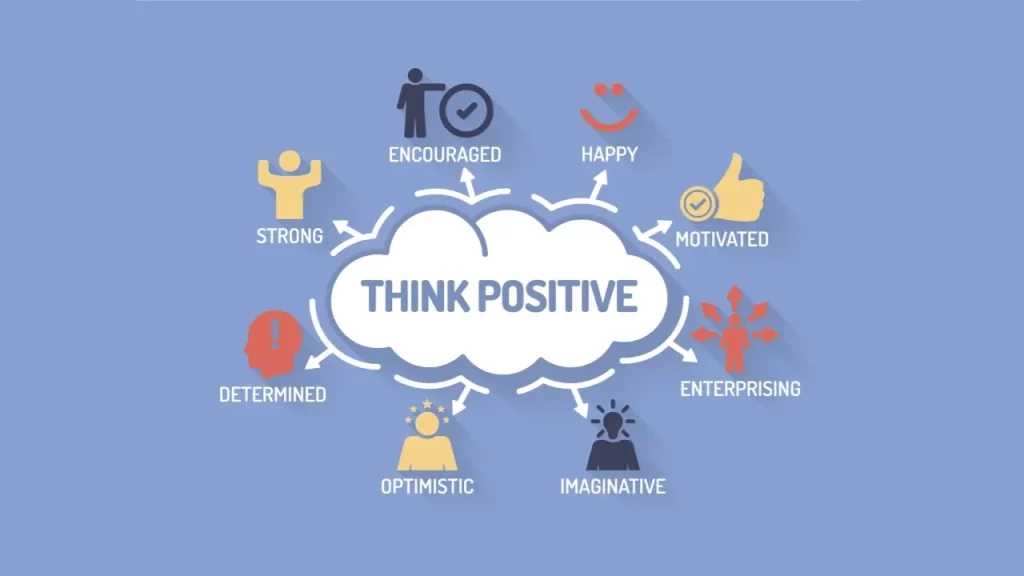
Authentic strength includes:
- Acknowledging fear without surrendering to it
- Noticing doubt without letting it dominate
- Feeling frustration without making it permanent
Growth isn’t linear. It has dips. But a strong mindset reduces the emotional gravity of those dips, preventing them from becoming long-term derailments.
The Lifelong Practice of Mental Strength
Building a stronger mindset isn’t a one-time achievement. It’s a lifelong practice built through awareness, intentional habits, and thoughtful interpretation of experience.
When you start paying attention to your inner dialogue, you begin to observe patterns which are supporting and undermining you. When curiosity replaces judgment, growth and learning become possible. When failure is treated as feedback and not as conclusions, one remains in the realm of development and growth instead of withdrawing from it.
A strong mindset isn’t something you suddenly have. It’s something you develop — one thought, one habit, one day at a time.
Don’t be pushed around by the fears in your mind. Be led by the dreams in your heart.
— Roy T. Bennett
Common Question on Mindset
Use a simple three-step interrupt. First, acknowledge the thought by saying “I’m having this thought.” Then, take one deep breath to create space. Finally, forcefully ask, “Is this thought helpful right now?” This simple act of questioning shifts you from a passive victim to an active manager of your thinking.
Practice disciplined action on small, uncomfortable tasks. Do the thing you’re procrastinating on for just five minutes. Mental muscle grows when you consistently choose purposeful action over comfort, proving to yourself that you can handle difficulty.
Separate your identity from the failure. Instead of thinking “I am a failure,” state the fact: “This attempt didn’t work.” Then, focus on the single next step. Motivation follows action, not the other way around. Get a tiny win, and your motivation will recharge.
Yes, you can. Start by practicing “realistic optimism.” Don’t force fake positivity. Instead, when a pessimistic thought arises, actively ask yourself, “What’s one piece of evidence that things might turn out okay?” You are training your brain to look for data, not just assumptions.
They view challenges as skills to develop, not as permanent roadblocks. When they face an obstacle, they ask, “What skill do I need to learn to solve this?” This frames every problem as an opportunity to grow stronger and more capable.
Spend 5 minutes each morning reviewing your core priorities. Ask yourself: “What are the 1-3 most important things I must do today to move forward?” This habit builds a proactive, intentional mindset and prevents you from reacting to whatever the day throws at you.
Treat feedback as data, not a personal attack. First, listen fully without interrupting. Then, ask yourself: “Can I find one useful grain of truth here, even if the delivery was poor?” Extract that useful piece and let the rest go. This makes you resilient and adaptable.
Often, self-sabotage protects you from the fear of a bigger failure or the discomfort of change. Acknowledge the fear out loud: “I’m scared of what happens if I succeed.” Then, commit to taking the next small step anyway. Your courage builds each time you move forward scared.
Redirect your focus inward. Instead of asking “How do I measure up to them?” ask “Am I better than I was yesterday?” Your only real competition is your past self. Track your own progress, and you will build genuine confidence based on your growth.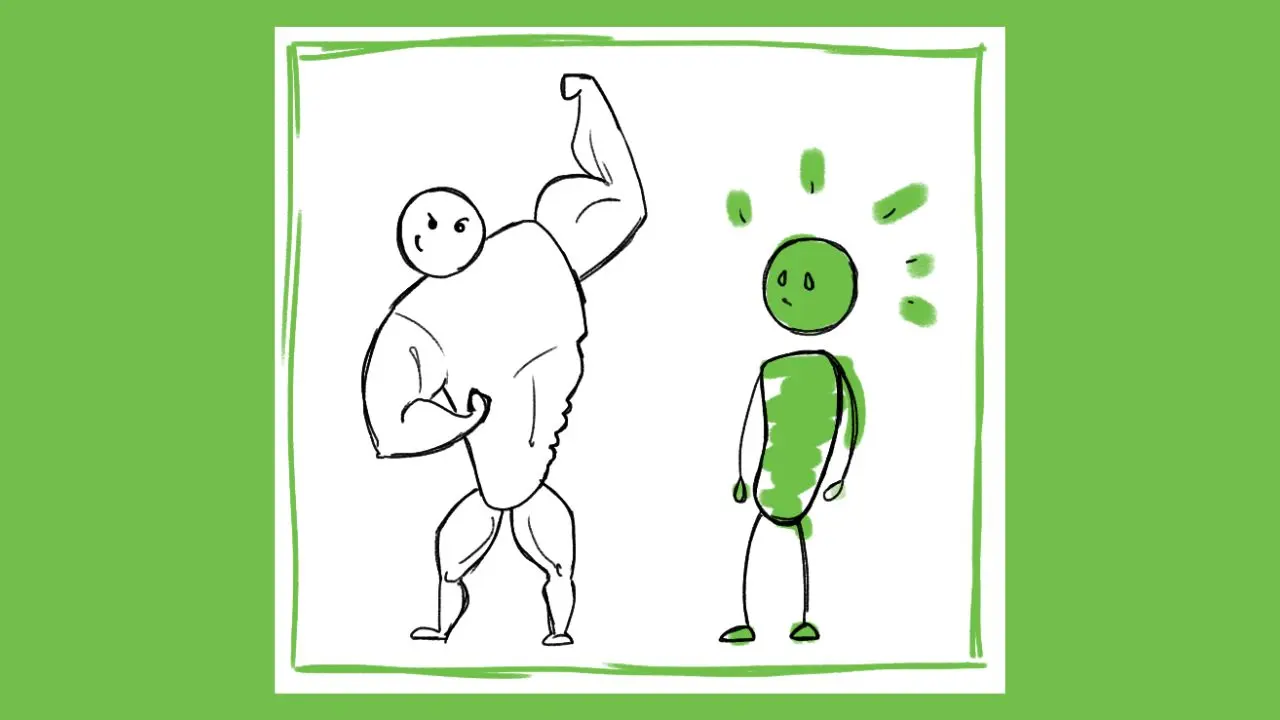
Absolutely not. A strong mindset means you acknowledge your emotions without letting them control your actions. Name the feeling (“This is frustration”), accept it without judgment, and then consciously choose the behavior that aligns with your goals, not your temporary mood.